Leading the Way: Doctorate in Executive Leadership Program Celebrates 20 Years
March 20, 2026
Leadership is often described as the ability to influence and guide others. Fisher’s Doctorate in Executive Leadership program has embodied that idea for two decades, preparing leaders who shape organizations and communities. The program celebrates its 20th anniversary in 2026.
.png)
When the program began in 2006, then-founding dean of the Ralph C. Wilson, Jr. School of Education Dr. Arthur “Sam” Walton saw a need to address the lack of participation by historically underrepresented groups in doctoral and executive leadership programs. It was a time when organizations were moving toward and calling for a new style of leadership that was agile and could respond to the evolving organizational, demographic, technological, domestic, and global contexts.
“The research literature and our panel of experts on leadership development programs suggested that there was a critical need for leaders who were more inclusive, flexible, supportive, collaborative, and open to multiple perspectives, and supported the use of technology for data-driven decisions,” Walton said.
He recalled that, initially, the program faced skepticism about its unique accelerated, multidisciplinary doctoral model. But interest in the new program quickly minimized any lingering concerns. Enrollment numbers exceeded expectations – even to the point of generating a waiting list. The group included a diverse group of students from various backgrounds and disciplines, confirming strong demand and validating the program’s innovative vision. And the Doctorate in Executive Leadership program at Fisher was on the books.
Since its inception, the program has produced more than 670 alumni who have gone on to become leaders in their industries. This contingent of superintendents, CEOs, national leadership consultants, executive directors, authors, and college presidents represent the program, the University, and the steadfast foundational values of both Fisher and the School of Education.
“Over the past 20 years, the Executive Leadership program has been central to shaping Fisher’s identity as a university that prepares values-driven practitioner-scholars for real leadership impact,” said Dr. Joellen Maples, dean of the School of Education. “Long before applied doctoral education became widely discussed, this program positioned Fisher as an institution that bridges rigorous scholarship with meaningful practice. Its graduates—now leaders across education, business, healthcare, nonprofit, and public sectors—have become ambassadors for the University, carrying Fisher’s mission, integrity, and commitment to ethical leadership into their organizations and communities. As a result, the program has played a significant role in strengthening Fisher’s reputation for both academic excellence and leadership development.”
“The Fisher program emphasizes transformational leadership centered on collaboration, shared decision-making, adaptability, trust, and open communication. I believe the guiding principles of the program differentiate our graduates from most other doctoral programs.”
Dr. Sam Walton
Leadership Through the Years
Over the past two decades, the concept of leadership has shifted from hierarchical models to approaches grounded in collaboration, inclusion, and adaptability. Walton noted that the program anticipated this evolution from the start. Regular updates—guided by research, faculty insight, and student feedback—have ensured the curriculum remains aligned with contemporary leadership needs.
“The Ed.D. program was designed with these modern principles in mind, emphasizing team building, shared accountability, decentralized decision-making, and thoughtful risk-taking,” said Walton. “Program components have been regularly updated and revised based on current research and best practices, faculty and staff input, real-world developments, evolving leadership standards, and student feedback to ensure that the curriculum is current and relevant.”
Two longtime program faculty members, Dr. Guillermo Montes and Dr. Marie Cianca, say that the foundational values of Fisher – goodness, discipline, and knowledge – set it apart from other leadership programs, and that the variety of professional sectors represented by alumni and current program candidates adds a richness to the program.
“Our candidates are from higher education, pre-K-12 education, health and human services, ministry, business, criminal justice, nonprofit organizations, leadership consulting, medical and clinical fields, mental health, and many other areas. This component elevates learning for all involved,” said Cianca.
Montes touts the instructional rigor, and credits Walton for setting the bar high with his program vision and development, noting that these standards focus not only on making better leaders, but developing better people.
“We see tremendous growth for each student—academically, personally, and professionally. Students are supported in identifying their personal values, purpose, and path as part of the program,” he said. “The program design mandates growth in specific areas of leadership. Students benefit from understanding how other students who work in other industries tackle the same problems. Above all, an atmosphere of trust allows us to have candid conversations about the challenges of leading in a tumultuous age. People meet people who are different than them, get to know and respect them, and grow to be able to lead followers of all backgrounds and opinions.”
A hallmark of the program is its integrated dissertation process. Candidates begin engaging with research early, and dissertation committees formed within the first four months meet regularly throughout. “Coursework becomes more meaningful because candidates are already immersed in their dissertation research,” said Montes. “They understand methods and literature in real time, applying what they learn immediately.”
Cianca said that given the pandemic, the growth of other doctoral level leadership programs, and the advent of AI, it has been critical for the program - and its faculty - to keep up-to-date on technology, teaching strategies that employ technology, and choices for candidates that allow for the use of technology in communication and problem-solving.
“To complement growth in technology, it has been critical to ensure that positive interactions, relationship-building, and understanding of how to serve others remain prominent in lessons learned. Successful leadership continues to be reinforced by empathic, caring, humble, and ethical leaders. Our curriculum strands highlight these areas and value these dispositions,” she said.
One concept that has stood the test of time is to trust the process.
“We say it to students all the time because we know they will become more truly themselves as the program goes forward,” said Montes. “What seems impossible to them in the early months, becomes routine in the middle of the program and an afterthought by the end of the program. They consume and produce much better information. Their biases and opinions have been challenged on all sides. They have discovered truth and wisdom from very unexpected sources, and have learned to view every challenge from multiple frameworks and perspectives. Integrity, ethics, and respect for people are emphasized throughout, particularly the most vulnerable.”
One Leader at a Time
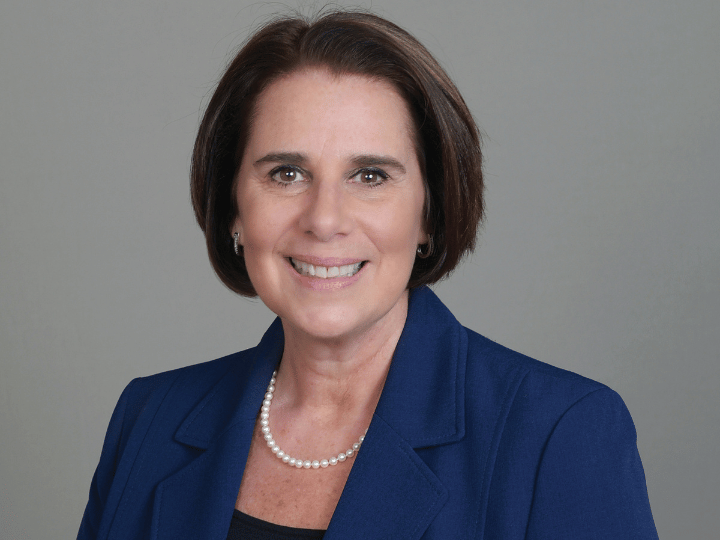
“The program gave me confidence, in my voice, my judgment, and my ability to lead through change,” she said. "It strengthened my strategic thinking and helped me trust my instincts when making decisions, especially in difficult situations. That confidence continues to shape how I lead teams and navigate change today.”
"This Executive Leadership program took me on a life-altering journey."
Dr. Paul Miller, Chief Academic Officer, EDceptional
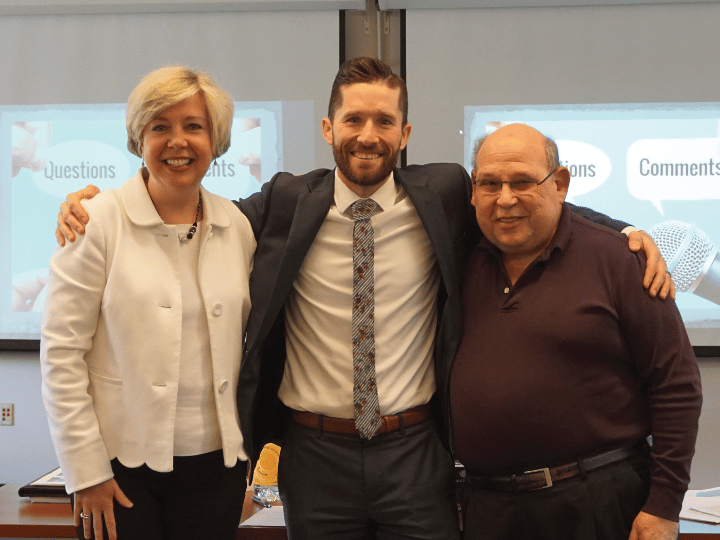
“Hands down, choosing this program was one of my best strategic moves when thinking about my personal and professional growth,” said Ball.
He added that learning alongside leaders from a range of fields broadened his perspective in meaningful ways. The relationships he built within his cohort became some of the most formative elements of the experience. Working closely with a small group of peers helped him see his strengths and growth areas with new clarity, while the program’s emphasis on research, networks, and an ethic of care reshaped his approach to leading teams and navigating change.
Ball often returns to one insight that crystallized during the program: Leaders reach people’s minds by first reaching their hearts. Since graduating, he has stepped into increasingly complex leadership roles, advancing from assistant superintendent to deputy superintendent, and currently interim superintendent, of the Gates Chili Central School District.
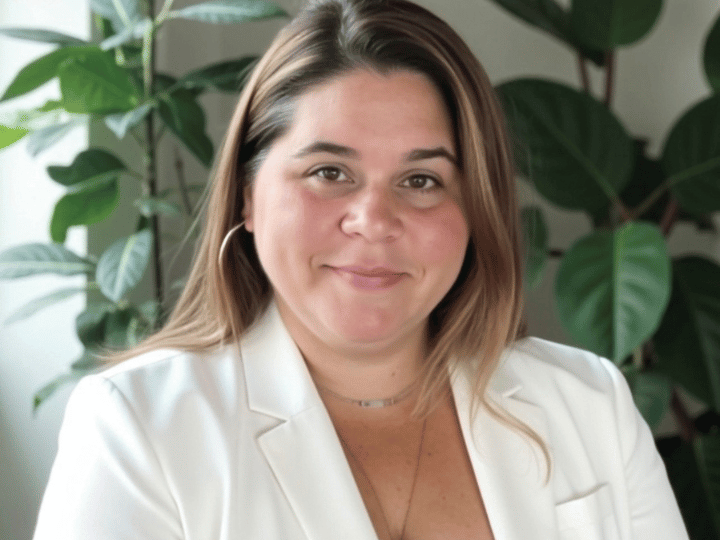
Learning with leaders from across sectors became one of the most enduring influences of her time in the program. “It reminded me that we are all products of where we’ve been, and that insight continues to guide me,” said Wojciechowski. “I carry it into every meeting, work group, and decision-making process—recognizing that the richness of perspective comes from honoring the varied experiences people bring to the table.”
The impact on her career was immediate. While completing the program, she advanced to vice president and associate chief operating officer at Rochester General Hospital—a full circle moment at the institution where she was born and began her career.
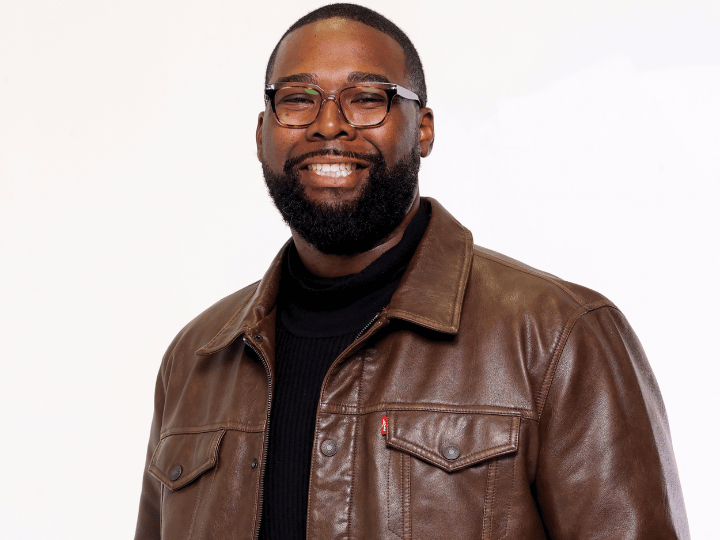
As the community affairs executive for the Monroe County Sheriff’s Office, Jones’ environment was one where “anecdotal reasoning and gut instincts” often shaped his decision. He credits the program for challenging him to adopt a more data- and research-informed approach.
“My leadership has always been grounded in theology and ethics,” he said, “and that has not changed. The program deepened these principles further by equipping me to pair them with empirical knowledge. This integration of human-centered values and evidence has shaped a decision-making style that is both distinctive and increasingly sought after, precisely because it is rare.”
Jones also lauds the program’s intentional commitment to inclusive excellence, noting that the learning environment that brought individuals with varying backgrounds together was “deeply formative,” challenging his perspectives and expanding his understanding of others.
“Learning in such an environment is especially critical at the highest levels of education. It cultivates leaders who are equipped to serve and lead in a diverse world with humility, insight, and a nuanced understanding of the complex realities around us,” he said.
Future Fisher Executive Leaders
Looking ahead, Dean Maples sees many ways the program can impact organizations and the community.
“There are strong opportunities to more intentionally connect doctoral research to pressing organizational and societal challenges, deepen alumni engagement, and integrate emerging leadership competencies such as ethical uses of technology and data-informed decision-making,” she said. “The next chapter is about strategic evolution—amplifying the program’s influence while remaining grounded in its core values.”
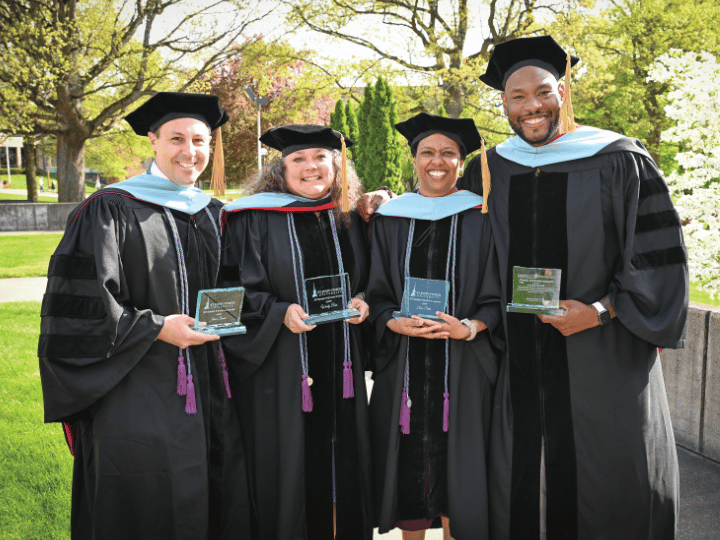
For Walton, seeing the program thrive across two decades while watching leadership across sectors evolve reinforces the need to examine and possibly expand the current contemporary models of leadership. This evolution also reinforces the importance of preserving the key elements of the program’s design, including the need for adaptive, collaborative, transparent, research-informed, and people-centered leaders.
“I fondly recall telling every new cohort that they were ‘my favorite cohort,’” joked Walton. “Each cohort had a unique persona and special self-defining characteristics, and each made significant contributions to the program’s development, as well as to my personal and professional growth. Cohort 1 was especially meaningful because, as the inaugural group, they established the program’s foundation and set the standards and expectations for future cohorts. All members of the first cohort graduated and advanced into influential leadership roles. Many members have contributed significantly to improvements in under-resourced communities.”
The program has remained dynamic and will continue to do so, standing firmly on its foundation and purpose while addressing the ever-changing landscape of leadership across many sectors.
“It is subject to change based on emerging issues and societal and organizational demands, and new knowledge. In this context, it is critical that the program strives to remain current and relevant while ensuring that the purpose, core values, and successful practices of the program are maintained,” he said. “It is my hope in the years ahead that the program continues to develop compassionate, ethical transformational leaders committed to collaboration, community service—especially in under-resourced communities—and the advancement of social justice and the common good over individual interests.”
Let Traditions Ring
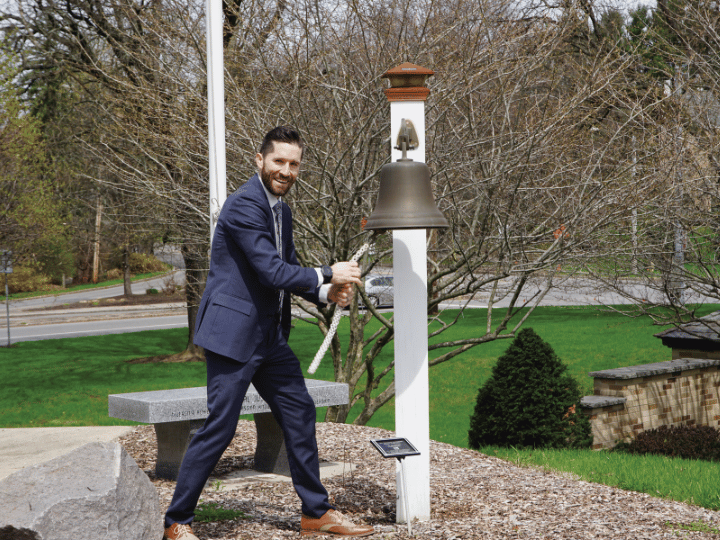
An incredible amount of time, passion, dedication, research, and writing goes into doctoral dissertations. All of the intense work culminates in a presentation given in front of faculty, staff, and cohort peers, and invited guests including family members.
When the presentation is complete, doctoral candidates take part in a special tradition. They step outside and ring the bell to mark the end of their work, and the next step in their professional growth.