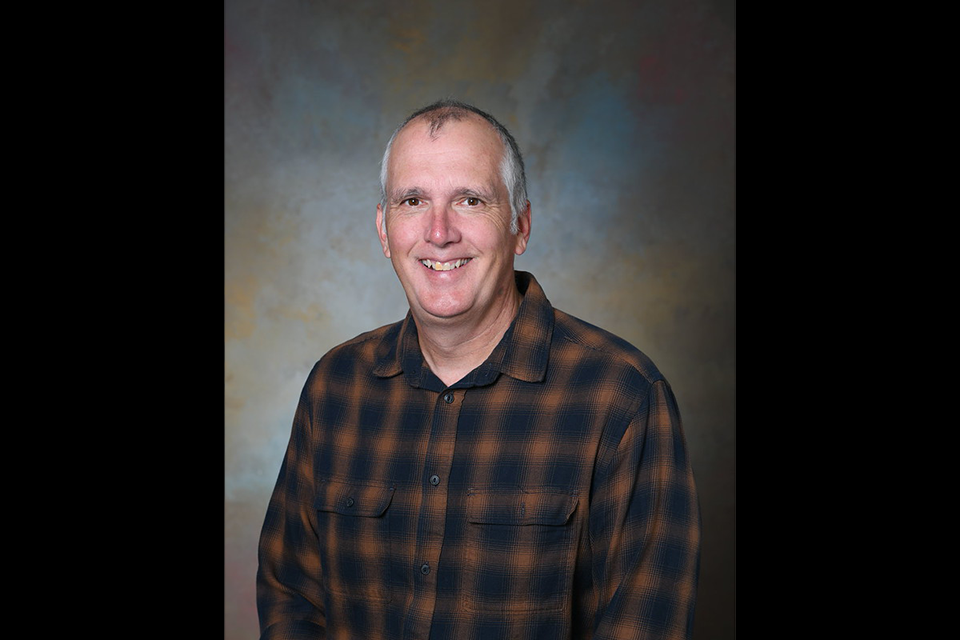
Rice Invited to Deliver Talk at Smithsonian American Art Museum
October 16, 2026
Dr. Mark Rice, professor of American Studies, was invited to give a talk at the Smithsonian American Art Museum in Washington, DC on September 17, in conjunction with the opening of a major new exhibition, “Much Here is Beautiful: Photography Surveys of the U.S. Bicentennial.”
The exhibit is part of the Smithsonian’s America 250 celebration and is the first major exhibition of the work produced under the sponsorship of the National Endowment for the Arts (NEA) Photography Surveys Grant category, which was the subject of Rice’s 2005 book, Through the Lens of the City: NEA Photography Surveys of the 1970s.
The NEA photography surveys grew out of a proposal by then Minnesota Senator Walter Mondale in 1975, and aimed to visually record the U.S during its Bicentennial in 1976 to create what he called the American Bicentennial Photography and Film Project. The bill passed and the project authorized, but the appropriate funding was never secured. The NEA supported the plan and launched its own photography surveys grant category. There were approximately 70 surveys funded between 1976 and 1981.
According to one of the exhibition’s curators, Rice’s book was instrumental in the development of the exhibition and in the invitation to him to be a part of the special event and opening.
“I was surprised, thrilled, and honored. I first learned that my book was being used to help develop the exhibition about three years ago. I had corresponded with and spoken to the curators, John Jacob and Krystle Stricklin, and sent them my research files from it, so I knew that my background knowledge was being used, but I didn’t know until about six months ago that I was going to be invited down to participate in the opening,” said Rice.
His interest in American photography from the 1970s sparked while he was in his Ph.D. program. But when he and his wife moved to the area in 1997 for her to pursue a position teaching creative writing at SUNY Brockport, he discovered Rochester’s rich history in photography thanks to the legacy of George Eastman.
“I spent time in the libraries and archives of the George Eastman Museum and the Visual Studies Workshop and began to notice references to the NEA Photography Surveys in the acknowledgments pages of exhibition catalogs,” he recalled. “The number of sightings piqued my interest.”
From that research, he reached out to the NEA and asked them to pull any files they had on hand for him. Their response? The files they had on hand would soon be shredded, motivating Rice to make multiple trips to Washington, DC to make copies of everything they had while working to convince those in charge not to destroy the files. His efforts were successful, and the NEA decided to transfer the files to the Smithsonian, which also housed many of the photographs from the surveys.
This research led to Rice’s dissertation in 1999 which was then revised into his book, published in 2005. Following his book, he moved on to other projects – still focusing on photography. He said about seven years ago, he was approached to revisit his NEA work for other publications, including essays in three photography monographs and a book published in France about urban change in the 1970s. Fast forward to September of this year: Rice said to see his book continue to inspire and ultimately shape a major national exhibition is both validating and an honor.
“It’s a huge validation of my work and a real affirmation of the importance of humanistic scholarship. The emphasis in higher education these days is placed too much on direct career preparation, and too many people have lost sight of merits of pursuing knowledge for its own sake and for caring deeply about the importance of the artistic and cultural reflections of humanity,” he said.
He said he was “bowled over” by how the size of the exhibition and impressed by how it was organized geographically; visitors moved through it and were able to take a visual tour of the United States in the 1970s. He recognized many of the photographs on display, but said the museum was able to track down projects he never could, opening “new windows into the surveys” even for him. “My book focused on surveys of cities and this exhibition was more wide-ranging, so I was able to see the projects I had focused on recontextualized in this interpretation of them.”
His talk was a discussion with Merry Foresta, the founding emerita photography curator at the Smithsonian, whose leadership he says brought the survey photographs into the collection. He recalled her support while he was doing his research as a graduate student. “I will always be grateful to her for that.”
In attendance at the talk were about 35 of the photographers who had participated in the surveys, along with their friends and families. Rice said it didn’t take long for the conversation to open itself up to include them and their recollection of their work.
“Some of the photographers did not recognize that what they were doing in their individual projects was part of a national portrait being built through a process of accumulation, but all of them talked about how important that work had been for their early careers,” he said.
Rice hopes that his work all those years ago and his recent talk reinforce to students the importance of supporting the arts and pursuing what interests you.
“Staying open and curious about the world around you can lead to a rich and rewarding life. You never know which parts of a younger you will be celebrated as you move through life. Machines cannot take the place of the human mind or the human heart,” he said.
Rice Invited to Deliver Talk at Smithsonian American Art Museum2026-10-16T09:14:00-04:00Dr. Mark Rice, professor of American Studies, was invited to give a talk at the Smithsonian American Art Museum in Washington, DC on September 17, in conjunction with the opening of a major new exhibition, “Much Here is Beautiful: Photography Surveys of the U.S. Bicentennial.”The exhibit is part of the Smithsonian’s America 250 celebration and is the first major exhibition of the work produced under the sponsorship of the National Endowment for the Arts (NEA) Photography Surveys Grant category, which was the subject of Rice’s 2005 book, Through the Lens of the City: NEA Photography Surveys of the 1970s.
The NEA photography surveys grew out of a proposal by then Minnesota Senator Walter Mondale in 1975, and aimed to visually record the U.S during its Bicentennial in 1976 to create what he called the American Bicentennial Photography and Film Project. The bill passed and the project authorized, but the appropriate funding was never secured. The NEA supported the plan and launched its own photography surveys grant category. There were approximately 70 surveys funded between 1976 and 1981.
According to one of the exhibition’s curators, Rice’s book was instrumental in the development of the exhibition and in the invitation to him to be a part of the special event and opening.
“I was surprised, thrilled, and honored. I first learned that my book was being used to help develop the exhibition about three years ago. I had corresponded with and spoken to the curators, John Jacob and Krystle Stricklin, and sent them my research files from it, so I knew that my background knowledge was being used, but I didn’t know until about six months ago that I was going to be invited down to participate in the opening,” said Rice.
His interest in American photography from the 1970s sparked while he was in his Ph.D. program. But when he and his wife moved to the area in 1997 for her to pursue a position teaching creative writing at SUNY Brockport, he discovered Rochester’s rich history in photography thanks to the legacy of George Eastman.
“I spent time in the libraries and archives of the George Eastman Museum and the Visual Studies Workshop and began to notice references to the NEA Photography Surveys in the acknowledgments pages of exhibition catalogs,” he recalled. “The number of sightings piqued my interest.”
From that research, he reached out to the NEA and asked them to pull any files they had on hand for him. Their response? The files they had on hand would soon be shredded, motivating Rice to make multiple trips to Washington, DC to make copies of everything they had while working to convince those in charge not to destroy the files. His efforts were successful, and the NEA decided to transfer the files to the Smithsonian, which also housed many of the photographs from the surveys.
This research led to Rice’s dissertation in 1999 which was then revised into his book, published in 2005. Following his book, he moved on to other projects – still focusing on photography. He said about seven years ago, he was approached to revisit his NEA work for other publications, including essays in three photography monographs and a book published in France about urban change in the 1970s. Fast forward to September of this year: Rice said to see his book continue to inspire and ultimately shape a major national exhibition is both validating and an honor.
“It’s a huge validation of my work and a real affirmation of the importance of humanistic scholarship. The emphasis in higher education these days is placed too much on direct career preparation, and too many people have lost sight of merits of pursuing knowledge for its own sake and for caring deeply about the importance of the artistic and cultural reflections of humanity,” he said.
He said he was “bowled over” by how the size of the exhibition and impressed by how it was organized geographically; visitors moved through it and were able to take a visual tour of the United States in the 1970s. He recognized many of the photographs on display, but said the museum was able to track down projects he never could, opening “new windows into the surveys” even for him. “My book focused on surveys of cities and this exhibition was more wide-ranging, so I was able to see the projects I had focused on recontextualized in this interpretation of them.”
His talk was a discussion with Merry Foresta, the founding emerita photography curator at the Smithsonian, whose leadership he says brought the survey photographs into the collection. He recalled her support while he was doing his research as a graduate student. “I will always be grateful to her for that.”
In attendance at the talk were about 35 of the photographers who had participated in the surveys, along with their friends and families. Rice said it didn’t take long for the conversation to open itself up to include them and their recollection of their work.
“Some of the photographers did not recognize that what they were doing in their individual projects was part of a national portrait being built through a process of accumulation, but all of them talked about how important that work had been for their early careers,” he said.
Rice hopes that his work all those years ago and his recent talk reinforce to students the importance of supporting the arts and pursuing what interests you.
“Staying open and curious about the world around you can lead to a rich and rewarding life. You never know which parts of a younger you will be celebrated as you move through life. Machines cannot take the place of the human mind or the human heart,” he said./media/news-images/fall-2026/Mark-Rice_960.png